Rhinoplasty Procedures
Overview of Rhinoplasty
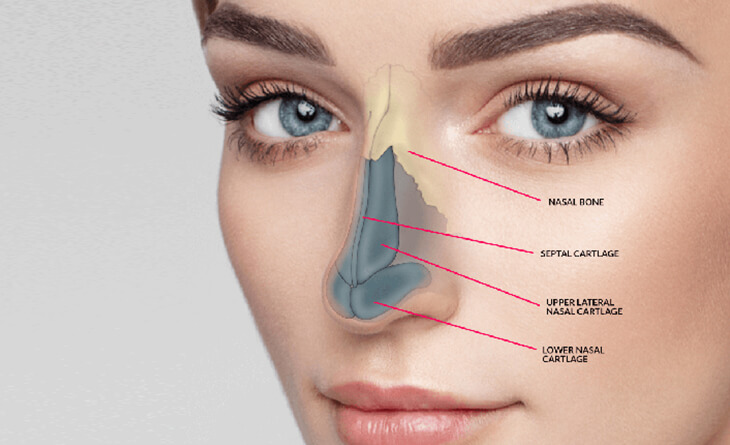
Rhinoplasty can be performed for various reasons, including aesthetic, functional, or reconstructive purposes. Aesthetic rhinoplasty focuses on improving the appearance of the nose, while functional rhinoplasty aims to correct breathing problems or other issues that affect the nasal passages. Reconstructive rhinoplasty is typically performed to repair a damaged or deformed nose due to injury or disease. Regardless of the reason, rhinoplasty requires a thorough understanding of nasal anatomy and a high level of surgical skill to achieve the desired results.
Types of Rhinoplasty
There are several types of rhinoplasty procedures, each tailored to address specific needs and concerns. Open rhinoplasty involves making an incision on the columella, the thin strip of skin between the nostrils, to access the internal structures of the nose. This approach provides a clear view of the nasal anatomy, allowing for more precise modifications. Closed rhinoplasty, on the other hand, involves making incisions inside the nostrils, which can result in less visible scarring but may limit the extent of the modifications that can be made. Non-surgical rhinoplasty uses fillers to temporarily alter the shape of the nose, offering a less invasive alternative for those seeking minor adjustments.
Preparation and Planning
Preparation for rhinoplasty begins with a thorough consultation with a qualified surgeon. During this meeting, the surgeon will assess the patient's nasal structure, discuss their goals and expectations, and outline the possible outcomes of the procedure. Patients are typically advised to stop smoking and avoid certain medications that could increase the risk of bleeding or complications during surgery. They may also be required to undergo medical tests to ensure they are fit for surgery. Planning the procedure involves creating a customized surgical plan, which may include computer simulations to visualize the potential results.

Surgical Procedure
The rhinoplasty procedure itself can take several hours to complete, depending on the complexity of the case. The surgery is usually performed under general anesthesia or sedation, ensuring the patient remains comfortable throughout the process. It's essential to find a qualified plastic surgeon portland who can guide you through the process and provide personalized care. The surgeon will then make the necessary incisions, either inside the nostrils or on the columella, to access the nasal structures. The bone, cartilage, and tissue are then reshaped according to the preoperative plan. In some cases, grafts may be used to add support or definition to certain areas of the nose. Once the modifications are complete, the incisions are closed, and the nose is bandaged to protect it during the healing process.
Recovery and Aftercare
The recovery period following rhinoplasty can vary, but most patients can expect to experience swelling, bruising, and discomfort in the initial weeks after surgery. Pain is typically managed with medication, and patients are advised to keep their head elevated to reduce swelling. The bandages and splints are usually removed within a week, revealing the new shape of the nose. However, it can take several months for the swelling to fully resolve and the final results to become apparent. Patients are also given specific aftercare instructions, including how to clean the nose, what activities to avoid, and when to follow up with the surgeon for post-operative check-ups.
Risks and Complications
As with any surgical procedure, rhinoplasty carries risks and potential complications. These can include infection, bleeding, adverse reactions to anesthesia, and unsatisfactory results. In some cases, additional surgery may be required to address any issues that arise. It is essential for patients to carefully select a qualified and experienced surgeon to minimize these risks. A thorough understanding of the potential complications and a realistic expectation of the outcomes can also help patients make informed decisions about undergoing rhinoplasty.
Conclusion
Rhinoplasty is a complex and highly individualized procedure that requires careful consideration and planning. By understanding the different types of rhinoplasty, the preparation and surgical process, and the potential risks and complications, individuals can make informed decisions about whether this procedure is right for them. With the right approach and a skilled surgeon, rhinoplasty can significantly enhance one's appearance and improve nasal function, leading to increased confidence and a better quality of life.
FAQs
What is the average cost of rhinoplasty?
The cost of rhinoplasty can vary widely depending on the surgeon, location, and complexity of the procedure. On average, the cost can range from $3,000 to $15,000 or more.
How long does it take to recover from rhinoplasty?
The recovery period for rhinoplasty can vary, but most patients can return to their normal activities within 1-2 weeks. However, it may take several months for the swelling to fully resolve and the final results to become apparent.
Can rhinoplasty be performed on anyone?
Rhinoplasty can be performed on most individuals, but certain factors such as age, health, and nasal anatomy may affect the suitability of the procedure. It is essential to consult with a qualified surgeon to determine if rhinoplasty is right for you.
Are the results of rhinoplasty permanent?
The results of rhinoplasty are generally long-lasting, but the nose can continue to change over time due to aging and other factors. In some cases, additional surgery may be required to maintain the desired results.
How do I choose the right surgeon for my rhinoplasty?
Choosing the right surgeon for your rhinoplasty involves researching their qualifications, experience, and reputation. Look for a surgeon who is board-certified, has extensive experience in rhinoplasty, and provides clear and realistic expectations of the outcomes.
The Portland Center for Facial Plastic Surgery
1339 NW Couch St Suite A, Portland, OR 97209
503-899-0006