Eyelid Surgery Techniques
Overview of Eyelid Surgery
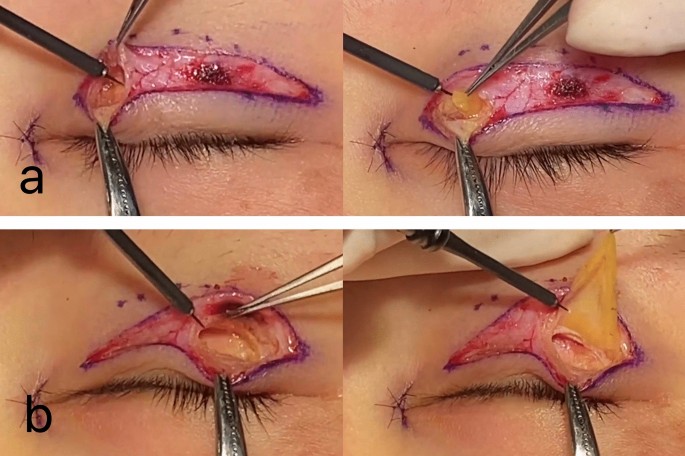
Eyelid surgery is a relatively straightforward procedure that can be performed under local anesthesia or sedation. The surgery typically takes between 1-3 hours to complete, depending on the complexity of the procedure and the number of eyelids being treated. During the surgery, the surgeon will make small incisions in the eyelids to remove excess skin, fat, and muscle. The incisions are usually made in the natural creases of the eyelids, which helps to minimize scarring.
Types of Eyelid Surgery
There are several types of eyelid surgery techniques, each designed to address specific concerns and areas of the eyelids. The most common types of eyelid surgery include:
Upper Eyelid Surgery
Upper eyelid surgery is used to treat droopy eyelids, excess skin, and fat deposits in the upper eyelids. The surgery involves making an incision in the natural crease of the upper eyelid, removing excess skin and fat, and tightening the muscles and tendons.
Lower Eyelid Surgery
Lower eyelid surgery is used to treat puffiness, fine lines, and excess skin in the lower eyelids. The surgery involves making an incision just below the lash line or inside the lower eyelid, removing excess fat and skin, and tightening the muscles and tendons.
Surgical Techniques
The surgical techniques used in eyelid surgery have evolved over the years, and there are now several approaches that surgeons can take. Some of the most common techniques include:
Traditional Blepharoplasty
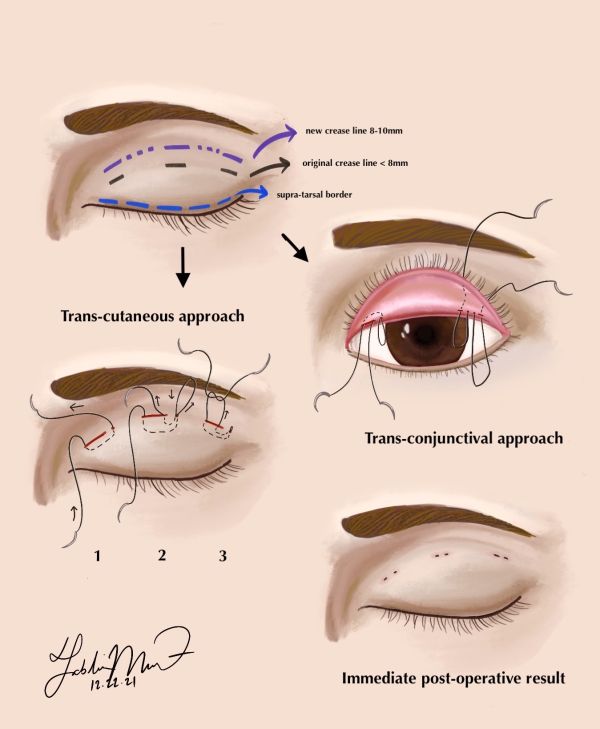
Traditional blepharoplasty involves making incisions in the eyelids to remove excess skin and fat. This technique is often used for upper eyelid surgery and can be effective in treating droopy eyelids and excess skin.
Transconjunctival Blepharoplasty
Transconjunctival blepharoplasty is a technique used for lower eyelid surgery. It involves making an incision inside the lower eyelid, which helps to minimize scarring and reduce the risk of complications.
Laser Blepharoplasty
Laser blepharoplasty is a minimally invasive technique that uses a laser to remove excess skin and fat from the eyelids. This technique is often used for lower eyelid surgery and can be effective in treating fine lines and puffiness.
Benefits and Risks
Eyelid surgery can have several benefits, including: * Improved appearance of the eyelids * Reduced signs of aging, such as droopy eyelids and fine lines * Enhanced self-confidence and self-esteem However, as with any surgical procedure, there are also risks and potential complications, including: * Scarring and bruising * Infection and bleeding * Dry eye and vision problems * Asymmetry and unevenness
Preparation and Recovery
To prepare for eyelid surgery, patients should: * Stop taking certain medications, such as blood thinners and aspirin * Avoid smoking and alcohol consumption * Get plenty of rest and follow a healthy diet After the surgery, patients should: * Apply ice packs to reduce swelling and bruising * Take pain medication as directed * Avoid strenuous activities and heavy lifting * Follow up with the surgeon for post-operative care and check-ups
Choosing a Surgeon
Choosing a qualified and experienced surgeon is crucial for a successful eyelid surgery. Patients should: * Research and find a board-certified surgeon * Check the surgeon's credentials and reputation * Read reviews and ask for referrals * Schedule a consultation to discuss the procedure and ask questions
Conclusion
Eyelid surgery is a popular and effective way to rejuvenate the eyes and achieve a more youthful appearance. With the advancement of medical technology and surgical techniques, there are now several approaches that surgeons can take to address specific concerns and areas of the eyelids. By understanding the different types of eyelid surgery, surgical techniques, benefits, and risks, patients can make informed decisions and achieve the best possible results.
Video: Revision Rhinoplasty Surgery
For those considering revision rhinoplasty, it's essential to find a qualified surgeon, such as those specializing in plastic surgery portland, to ensure the best possible outcome. This video provides an overview of the revision rhinoplasty procedure, including preparation, surgery, and recovery. Watching this video can help you better understand the process and what to expect during your consultation with a surgeon.
FAQs
What is the recovery time for eyelid surgery?
The recovery time for eyelid surgery typically ranges from 1-2 weeks, depending on the complexity of the procedure and the individual's healing process.
Will I have scarring after eyelid surgery?
Yes, scarring is a possible side effect of eyelid surgery. However, the incisions are usually made in the natural creases of the eyelids, which helps to minimize scarring.
Can I wear makeup after eyelid surgery?
Yes, patients can wear makeup after eyelid surgery, but it's recommended to wait until the incisions have fully healed and the surgeon has given clearance.
How long do the results of eyelid surgery last?
The results of eyelid surgery can last for several years, depending on the individual's skin type, lifestyle, and aging process.
Will I experience dry eye after eyelid surgery?
Dry eye is a possible side effect of eyelid surgery, especially if the surgeon removes too much fat or skin from the eyelids. However, this can be treated with medication and other therapies.
Can I have eyelid surgery if I have other eye problems?
It's recommended to consult with an ophthalmologist or a qualified surgeon to determine if eyelid surgery is suitable for individuals with other eye problems, such as glaucoma or cataracts.
The Portland Center for Facial Plastic Surgery
1339 NW Couch St Suite A, Portland, OR 97209
503-899-0006