
Thread Facelift
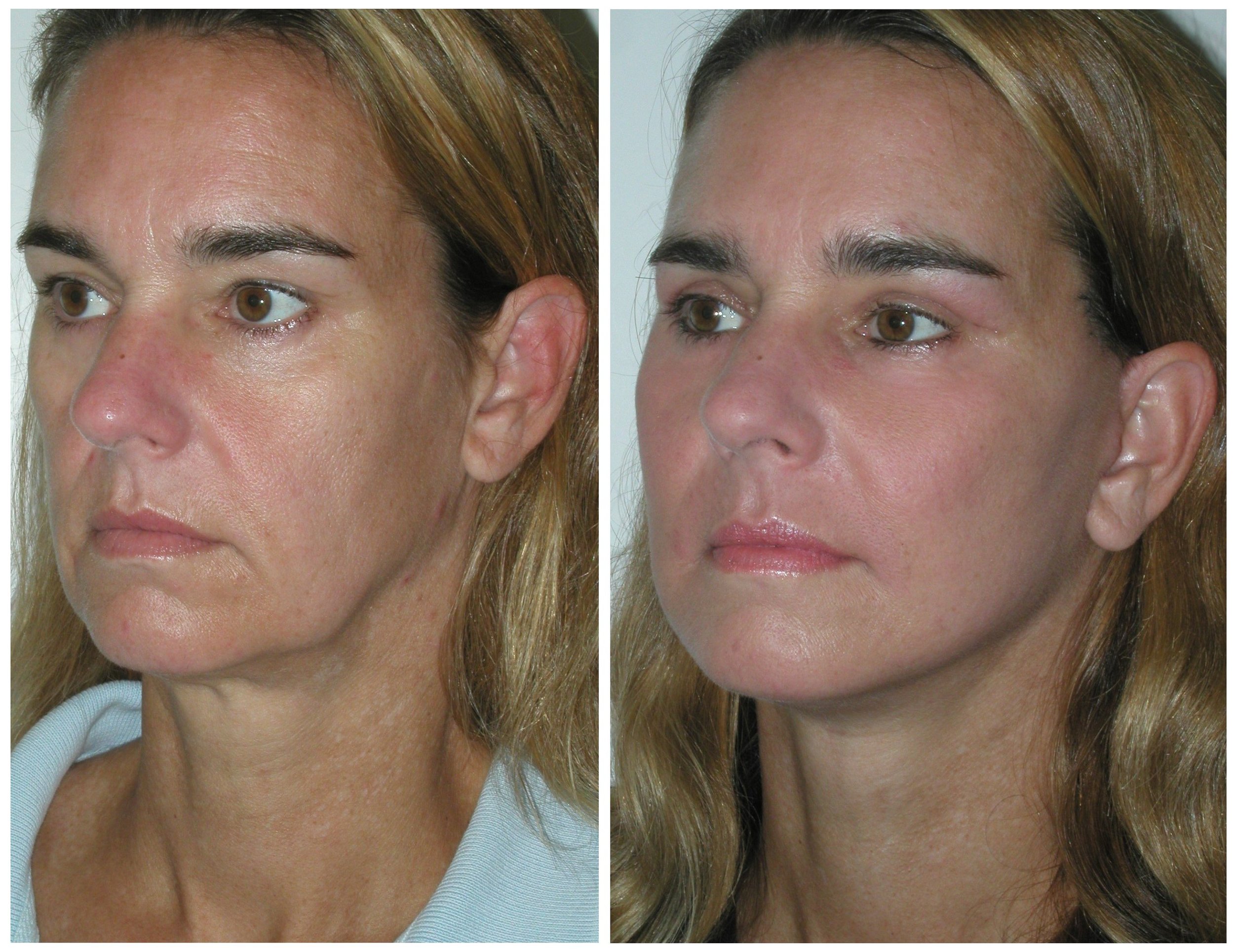
What is a Thread Facelift?
A thread facelift, also known as a thread lift or suture lift, is a cosmetic procedure that uses threads to lift and support the facial tissues. The threads are made of a biocompatible material, such as polydioxanone (PDO) or polylactic acid (PLA), which are absorbed by the body over time. The procedure is typically performed under local anesthesia, and the threads are inserted under the skin using a fine needle. The threads are then gently pulled to lift and tighten the facial tissues, providing a more youthful and defined appearance.
Benefits of a Thread Facelift
The benefits of a thread facelift are numerous. One of the primary advantages is the minimal downtime required after the procedure. Unlike traditional facelift surgery, which can require several weeks of recovery, a thread facelift typically requires only a few days of rest. The procedure is also relatively painless, with most patients experiencing only mild discomfort during and after the procedure. Additionally, the threads used in a thread facelift are absorbable, which means they won't leave any permanent scarring or marks. The results of a thread facelift can last for several months to a few years, depending on the individual and the type of threads used.
The Procedure
The thread facelift procedure typically begins with a consultation with a qualified healthcare professional. During this consultation, the doctor will assess the individual's facial structure and discuss their goals and expectations. The procedure itself is relatively quick, typically taking around 30-60 minutes to complete. The doctor will begin by injecting a local anesthetic to numb the area, followed by the insertion of the threads under the skin. The threads are then gently pulled to lift and tighten the facial tissues, and the excess thread is trimmed and hidden under the skin.
Types of Threads
There are several types of threads used in thread facelifts, each with its own unique characteristics and benefits. PDO threads, for example, are made of a biocompatible material that stimulates collagen production, providing a more natural and long-lasting result. PLA threads, on the other hand, are made of a biodegradable material that provides a more immediate lifting effect. Other types of threads, such as PLLA (poly-L-lactic acid) and PCL (polycaprolactone), are also used in thread facelifts, each with its own unique benefits and characteristics.
Choosing the Right Threads
Choosing the right threads for a thread facelift depends on several factors, including the individual's skin type, facial structure, and desired results. PDO threads, for example, are often used for more delicate areas, such as the eyebrows and lips, while PLA threads are often used for more dramatic lifting effects. The doctor will work with the individual to determine the best type of threads for their needs and goals.
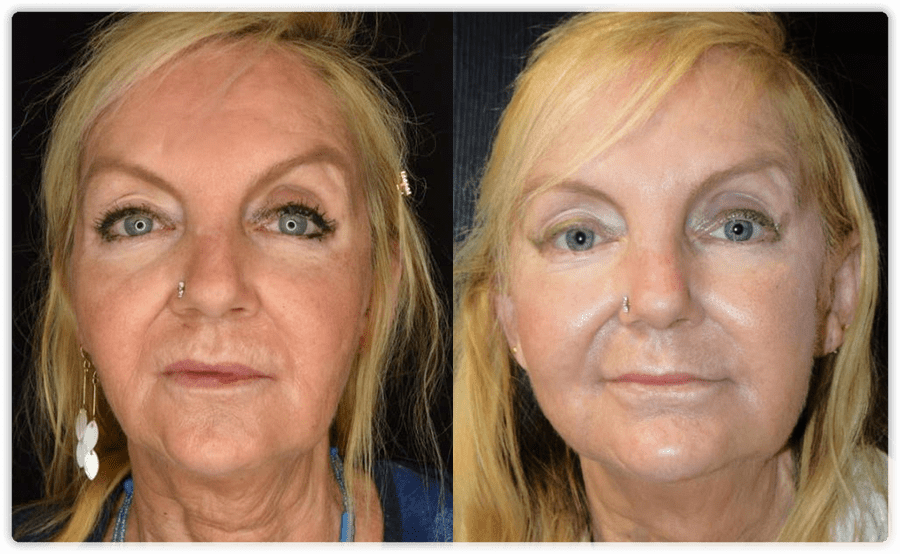
For individuals considering cosmetic procedures, it's essential to find a qualified and experienced professional, especially when looking into options like plastic surgery portland, to ensure the best possible results and care.
Risks and Complications
As with any cosmetic procedure, there are risks and complications associated with thread facelifts. These can include bruising, swelling, and infection, as well as more serious complications, such as thread migration or breakage. However, these risks can be minimized by choosing a qualified and experienced healthcare professional to perform the procedure. It's also important to follow the doctor's instructions carefully after the procedure to ensure a smooth and successful recovery.
Aftercare and Recovery
After a thread facelift, it's essential to follow the doctor's instructions carefully to ensure a smooth and successful recovery. This can include avoiding strenuous activities, such as exercise or heavy lifting, for several days after the procedure. The individual should also avoid touching or rubbing the treated area, as this can cause the threads to become dislodged or infected. The doctor may also prescribe pain medication or antibiotics to help manage any discomfort or infection.
Conclusion
A thread facelift is a popular and effective way to rejuvenate and lift the face, providing a more youthful and radiant appearance. With its minimal downtime, relatively painless procedure, and absorbable threads, it's an attractive alternative to traditional facelift surgery. By choosing a qualified and experienced healthcare professional and following the doctor's instructions carefully, individuals can enjoy the benefits of a thread facelift while minimizing the risks and complications.
FAQs
What is the cost of a thread facelift?
The cost of a thread facelift can vary depending on the location, doctor, and type of threads used. On average, the cost can range from $1,000 to $5,000 or more.
How long do the results of a thread facelift last?
The results of a thread facelift can last for several months to a few years, depending on the individual and the type of threads used.
Is a thread facelift painful?
A thread facelift is typically a relatively painless procedure, with most patients experiencing only mild discomfort during and after the procedure.
Can I combine a thread facelift with other cosmetic procedures?
Yes, a thread facelift can be combined with other cosmetic procedures, such as Botox or fillers, to achieve a more comprehensive and personalized result.
Are thread facelifts suitable for all skin types?
Thread facelifts are generally suitable for most skin types, but may not be recommended for individuals with very thin or fragile skin.
How long does the procedure take?
The thread facelift procedure typically takes around 30-60 minutes to complete, depending on the individual and the complexity of the procedure.
The Portland Center for Facial Plastic Surgery
1339 NW Couch St Suite A, Portland, OR 97209
503-899-0006