Facelift Types

History of Facelifts
The concept of facelifts has been around for centuries, with ancient civilizations such as the Egyptians and Greeks using various techniques to rejuvenate the face. However, the modern facelift as we know it today is a relatively recent development, dating back to the early 20th century. Over the years, facelift techniques have evolved significantly, with advances in surgical technology and a greater understanding of facial anatomy.
Types of Facelifts
There are several types of facelifts, including:
Traditional Facelift
A traditional facelift is the most common type of facelift and involves making incisions in the hairline and around the ears to access the underlying tissues. The skin is then lifted and tightened, and excess fat and skin are removed. This type of facelift is often used to address signs of aging on the lower face and neck.
Mini Facelift
A mini facelift, also known as a limited incision facelift, is a less invasive version of the traditional facelift. It involves making smaller incisions and is often used to address signs of aging on the upper face, such as the forehead and eyebrows.
Endoscopic Facelift
An endoscopic facelift is a minimally invasive procedure that uses a small camera and surgical instruments to lift and tighten the skin. This type of facelift is often used to address signs of aging on the forehead and eyebrows.
Thread Facelift
A thread facelift is a non-surgical procedure that uses threads to lift and tighten the skin. This type of facelift is often used to address signs of aging on the face and neck, and can be a good option for those who are not ready for surgery.
Benefits of Facelifts
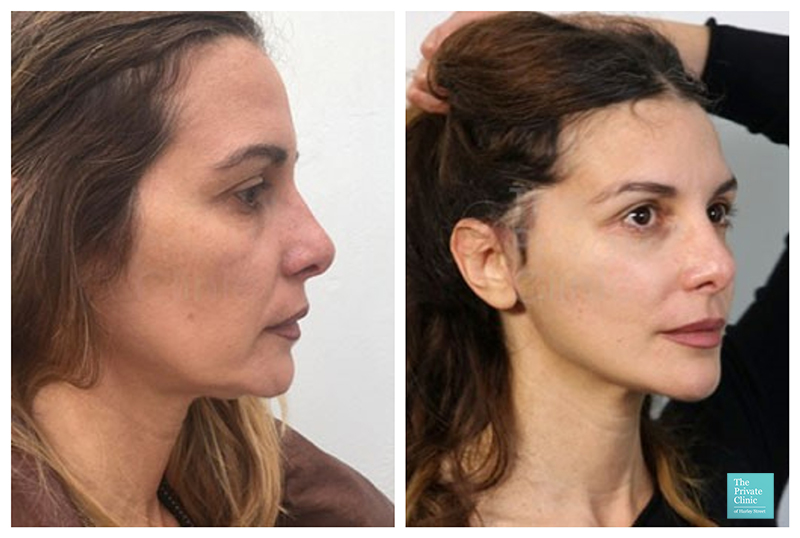
Facelifts can have a significant impact on a person's appearance and self-confidence. Some of the benefits of facelifts include:
Improved Appearance
A facelift can help to reduce the appearance of wrinkles, sagging, and other signs of aging, resulting in a more youthful and refreshed appearance.
Increased Self-Confidence
A facelift can help to boost self-confidence and self-esteem, allowing individuals to feel more comfortable and confident in their own skin.
Long-Lasting Results
Facelifts can provide long-lasting results, with many people enjoying the benefits of their procedure for 10-15 years or more.
Risks and Complications
As with any surgical procedure, there are risks and complications associated with facelifts. Some of the potential risks and complications include:
Scarring
Facelifts can result in scarring, although the incisions are typically made in discreet locations to minimize the appearance of scars.
Infection
As with any surgical procedure, there is a risk of infection with facelifts.
Bleeding
There is a risk of bleeding or hematoma with facelifts, although this is relatively rare.
Preparation and Recovery
To prepare for a facelift, individuals should:
Stop Smoking
Smoking can increase the risk of complications and slow down the healing process, so it's essential to stop smoking at least two weeks before the procedure.
Avoid Certain Medications
Certain medications, such as blood thinners, can increase the risk of bleeding and should be avoided before the procedure.
Follow a Healthy Diet
A healthy diet rich in fruits, vegetables, and whole grains can help to promote healing and reduce the risk of complications.
To achieve the best results from a facelift, it's essential to consult with a qualified plastic surgeon Portland residents trust, who can assess your individual needs and provide personalized guidance throughout the process.
Conclusion
Facelifts can be an effective way to reduce the appearance of aging and restore a more youthful appearance. With several types of facelifts to choose from, individuals can select the procedure that best meets their needs and goals. While there are risks and complications associated with facelifts, these can be minimized by working with a qualified and experienced surgeon and following proper preparation and recovery procedures.
FAQs
What is the average cost of a facelift?
The average cost of a facelift can vary depending on the location, surgeon, and type of procedure, but it can range from $6,000 to $15,000 or more.
How long does a facelift last?
A facelift can provide long-lasting results, with many people enjoying the benefits of their procedure for 10-15 years or more.
What are the risks of a facelift?
As with any surgical procedure, there are risks and complications associated with facelifts, including scarring, infection, and bleeding.
Can I combine a facelift with other procedures?
Yes, a facelift can be combined with other procedures, such as a brow lift or eyelid surgery, to achieve a more comprehensive rejuvenation of the face.
How long does it take to recover from a facelift?
The recovery time for a facelift can vary depending on the individual and the type of procedure, but it can take several weeks to several months to fully recover.
Are facelifts painful?
While facelifts can be uncomfortable, most people do not experience significant pain during or after the procedure, and any discomfort can be managed with medication and other treatments.
The Portland Center for Facial Plastic Surgery
1339 NW Couch St Suite A, Portland, OR 97209
503-899-0006