Electric driven gas compressor
by Admin
Posted on 13-05-2024 01:30 PM
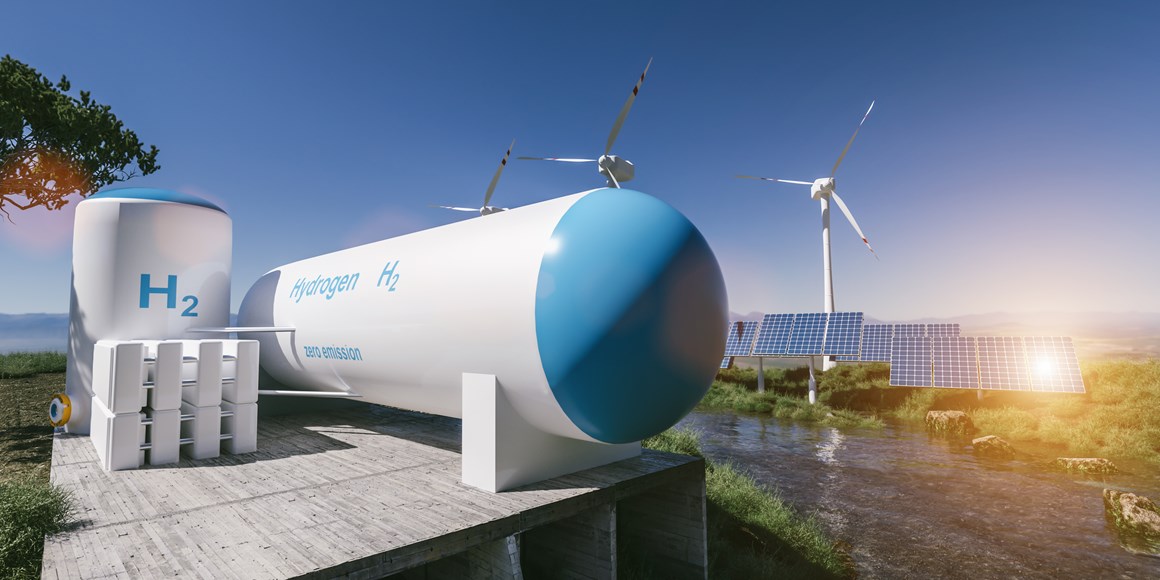
March 28, 2023 — a new hydrogen compressor developed at southwest research institute (swri) can improve the efficiency and reliability of hydrogen compression used in the refueling of fuel cell electric vehicles (fcevs). The swri-developed linear motor-driven reciprocating compressor (lmrc) is designed to compress hydrogen as a fuel source for fcevs and other hydrogen-powered vehicles. Unlike most hydrogen compressors, swri’s lmrc is hermetically sealed and has a linear motor design that increases its efficiency and reliability.
 “the lmrc was built and designed to compress hydrogen for refueling vehicles with hydrogen fuel cells,” said swri principal engineer eugene broerman, the project’s lead investigator.
We offer a wide variety and types of compressors. You can install these in many different scenarios. It is possible to install the compressors in hydrogen houses between and electrolyser and a storage system, in businesses to support their needs such as ice cream companies for hydrogenation, at farmers where they use it to produce ammonia or as a fuel at the back of a wind farm or solar farm, and refineries to pressurise the hydrogen before it is being used to clean up the gas or oil. There are also many applications for our h2 compressors. For instance, you can also use the compressor in green hydrogen transport applications, energy storage solutions, grid balancing, food processing, and power station cooling.
Fuel cells and storage [ edit ]
The role of hydrogen in the global energy landscape is growing rapidly. More blue and green hydrogen are becoming available for applications such as mobility, power generation, and energy storage. Environmentally friendly technologies such as hydrogen fuel cells and production electrolysis are also becoming more common. As a result, compressors are poised to be the technology for the safe and economical transport of hydrogen across the value chain.
Nash contributes to these technologies with our products that will reduce greenhouse gases. We have developed energy-optimized and reliable products ideal for the direct compression of wet hydrogen. We can provide two-stage arrangements up to pressures of 8 bar and without pulsation.
Proven, efficient hydrogen compressors
In 2030 and beyond, high-capacity high-pressure compressors will become indispensable because demand for hydrogen, including but not limited to hydrogen power generation, vehicle fuel and household heat sources, is expected to expand. Pressurization is required in each process of hydrogen production, transportation, storage, and utilization. Compressors with high pressure ratios, which efficiently boost large volumes of hydrogen, are essential key components for realizing a hydrogen society. Centrifugal compressors are ideal for boosting large amounts of hydrogen pressure. Mhi is working to deliver centrifugal compressors that meet the needs for increasing the pressure of large volumes of hydrogen.
Compressors are a key component required in the storage and transfer of high-pressure hydrogen. Moreover, the difficulty of compressing hydrogen increases as the pressure increases which then requires the use of more expensive compression technology. Metal hydride-based hydrogen compressors are able to overcome this problem due to their reduced capital, operational, and maintenance costs while also achieving high pressures of hydrogen compression. This is why startups are focusing on the production of efficient hydrogen compression systems that lower the cost of hydrogen production. Greek startup cyrus provides noise-free, metal hydride hydrogen compressors. The startup’s compressors use only low-cost, low-grade thermal energy, resulting in low operating costs.
By geography, the market is studied across north america, europe, asia pacific, latin america, and the middle east & africa. To get more information on the regional analysis of this market, request a free sample asia pacific dominates the global hydrogen compressor market. Asia pacific is the largest producer and consumer of hydrogen. The region has witnessed significant growth in industries such as petrochemicals, chemicals, and oil & gas, which are major consumers of hydrogen gas. As a result, the demand for hydrogen compression units in these industries has increased. Moreover, japan, south korea, and china are investing heavily in the development of hydrogen fuel cell technology and infrastructure driving the growth of the market in the region.