Sizing, Cutting, and Installing the Gutters
by Admin
Posted on 10-04-2025 02:16 PM
The cost of material goods has risen sharply in the past couple of years, and that is certainly true for gutter materials. Professional gutter installers purchase materials in bulk, and they possess a precise understanding of the necessary materials and tools for your project. Do you have all the tools needed for properly measuring the gutters, cutting them down, welding the seams, and installing them? when you install gutters on your own, you can expect a few trips back and forth to the hardware store, which quickly adds up in time and money.
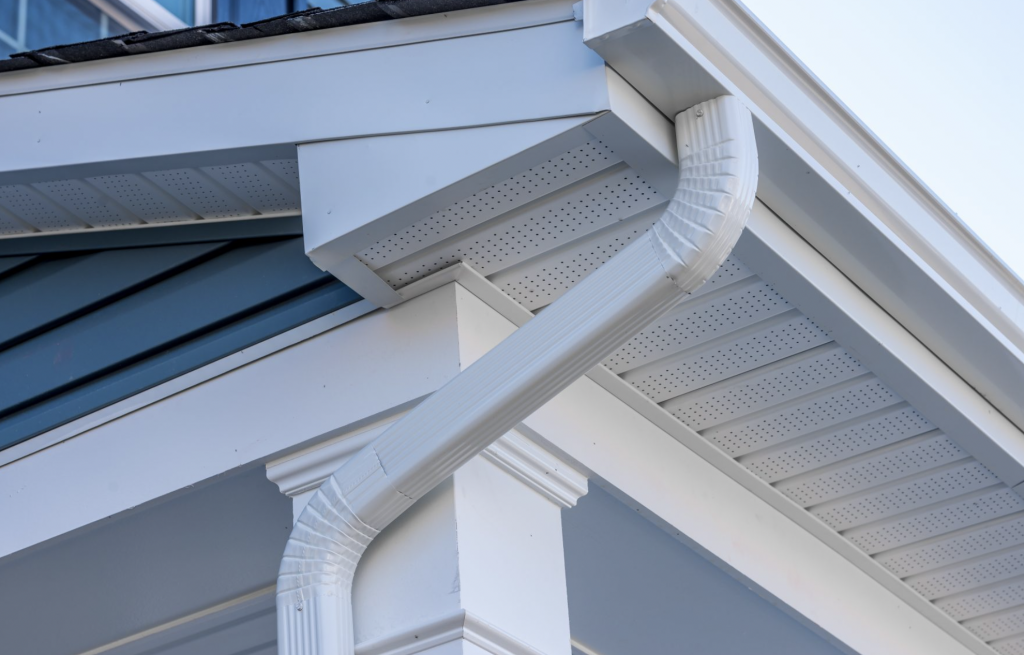
Are these gutters installed correctly or should they be behind the drip edge?
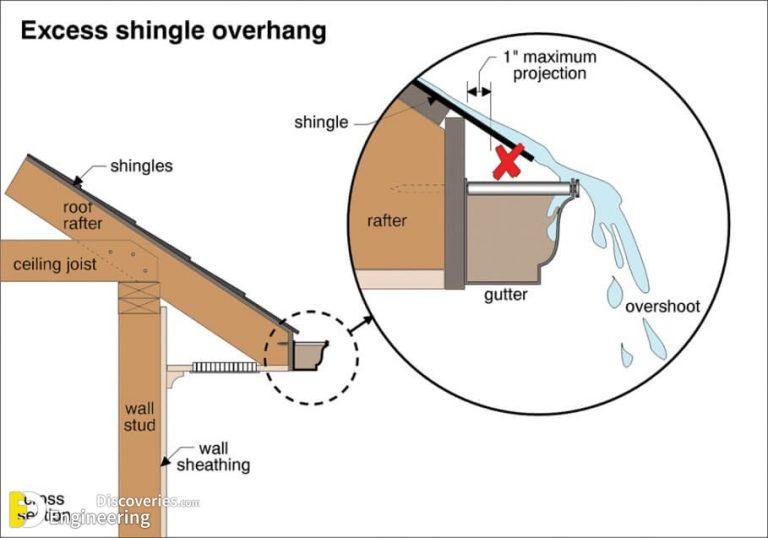
While homeowners may believe that gutters must abut the roofline, this assumption is incorrect. Ideally, gutters should be placed a few inches below the roofline. They need to extend beyond the roof shingles, not align with them. With professional gutter placement by an experienced company like o’lyn roofing , rainwater does not pull back up on the roof’s underside or cause the fascia boards to be exposed to excess moisture.
However, the gutters should not be situated too far away from the roofline because it risks improperly draining off the roof. To further expound on this gutter placement issue, gutters must be tucked under or behind the roof’s drip edge.
https://scholar.google.com/scholar_case?case=9341390600215837617&q=%22rain+gutters%22&hl=en&as_sdt=4,5
Gutters that are too high can enable water runoff to drip down their backside, which can cause deteriorating fascia boards and staining of the siding. The back of the gutter should rest behind the drip edge to prevent water intrusion behind the gutter. The drip edge is an element that hangs over the roof and has a lower edge. The water flows into the drip edge and eventually travels into the gutter. The drip edge works with the gutter to control the direction of the water and helps protect the building against any damage. The drip edge is sometimes installed with a furring strip, which protects the drip edge and the fascia board.
Drip edge flashing has proven to protect homes from water damage. Most roofing contractors will install new drip edge during roof replacement. A drip edge is an angled metal flashing installed over the roof decking and fascia board. Its purpose is to redirect any water from the fascia into the gutters. If you don’t have a drip edge flashing, your basement, porch, siding, eaves, or roof decking can get damaged from excess water.
Common Mistakes When Installing Gutters
No home roofing system should be without proper gutters. Though they are a component that homeowners barely notice, they are essential because of the issues they prevent. Here are four benefits of having gutter systems in your home: 1. Foundation stability excess water is a common cause of foundation issues in homes. When water pools around your home’s base for too long, it starts to loosen the soil. Pretty soon, it will degrade the structure itself. Gutters are essential because they channel rainwater away from your home. 2. Water damage
once you finish installing your gutter system , test its functionality and make any necessary adjustments. Follow these steps to ensure your gutters are in optimal working condition: inspect the entire gutter system. Look for any signs of leaks, sagging sections, or misalignments. Next, take a garden hose and run water through the gutters. Observe the flow of water and check for potential leaks or blockages. Pay attention to areas where water may pool or overflow. Inspect connections between gutter sections, downspouts, and extensions. Apply sealant or tighten connections if necessary.